Use QR codes to manage classroom activities and collect homework easily without confusion
Interactive Learning Stations & Homework Submission System
A typical school day often includes two common challenges that almost every teacher faces. The first happens during lessons, when students need to stay engaged and actively involved. The second happens after the lesson ends, when homework needs to be collected in an organized way. Both sound simple, but in reality, they can create daily frustration. Students get confused about what to do next in group activities, and they often struggle to submit homework correctly. This is where a QR Code Generator becomes a practical solution.
Instead of repeating instructions again and again, or answering the same question like “Where do we submit?” multiple times, teachers can use QR codes to simplify both classroom activities and homework collection. With one quick scan, students can access tasks, watch instructions, complete quizzes, or submit their work. This reduces confusion, saves time, and makes the classroom feel more organized and modern.
In this guide, we will explore two powerful use cases. The first is Interactive Learning Stations, where students move around and learn actively. The second is a Homework Submission System, where students submit assignments quickly and correctly. Both use cases solve real classroom problems and help teachers focus more on teaching instead of managing small issues.
Why QR Codes Are Becoming Essential in Modern Classrooms
Classrooms today are very different from what they used to be. Students are already used to scanning QR codes in their daily lives, whether it is for payments, menus, tickets, or links. Bringing this familiar action into the classroom makes learning feel more natural and connected to real life. It removes unnecessary steps and makes access to resources much faster.
One of the biggest problems in classrooms is not teaching content, but managing access to that content. Teachers spend time writing links on boards, sending them in groups, or explaining where to find files. Even then, students still make mistakes. Some type the wrong URL. Some open the wrong page. Others simply wait because they are unsure. This wastes valuable teaching time.
QR codes solve this problem in a very simple way. Instead of multiple steps, students scan once and reach the correct destination. This improves lesson flow and reduces interruptions. It also helps students become more independent because they do not need constant instructions.
Another important benefit is organization. Whether it is classroom activities or homework submissions, QR codes create a clear and consistent system. Students know exactly where to go and what to do. Over time, this builds better habits and reduces confusion in both class and at home.
That is why QR codes are not just a trend. They are becoming a useful classroom tool that supports both teaching and learning in a very practical way. Education technology publication Edutopia has documented a similar range of classroom applications, from station-based activities to multimedia access, in its roundup of QR code teaching ideas.
Interactive Learning Stations
Interactive learning stations are one of the most effective ways to make lessons more engaging. Instead of teaching everything from the front of the classroom, teachers create multiple stations where students complete different tasks. This allows students to move, interact, and learn in smaller steps. When QR codes are added to these stations, the system becomes even more powerful.
In a typical classroom, students have different learning styles. Some understand better by watching videos, some by reading, and others by doing hands-on tasks. Learning stations allow teachers to include all these styles in one lesson. Each station can focus on a different type of activity, making the lesson more balanced and effective.
However, without a clear system, learning stations can become confusing. Students may not know what to do at each station. They may ask the same questions again and again. This slows down the lesson and reduces engagement. QR codes solve this by providing instant access to instructions and tasks.
With a QR code at each station, students simply scan and begin. There is no need to wait for explanations. The activity becomes self-guided, which saves time and improves the flow of the lesson.
Use Case: Teacher Sets Up Different Stations with QR Codes
Situation: A teacher is conducting an activity-based lesson where students work in groups and rotate between stations.
Problem: Students often get confused about what to do at each station. They ask repeated questions, which interrupts the lesson and slows down progress.
Solution using QR Code: The teacher places a QR code at each station. Each code links to a specific task, such as a video, quiz, worksheet, or discussion prompt. Students scan the code and immediately see what they need to do.
Result/Impact: Students start tasks quickly without confusion. The teacher does not need to repeat instructions. The lesson becomes smoother, more organized, and more engaging.
For example, in a science class, one station may show a video about a concept, another may have a quiz, another may include diagrams to analyze, and another may ask students to discuss and write answers. Students rotate between stations and scan each QR code as they arrive. This keeps the lesson active and interesting.
This method works well in all subjects. In English, stations can include reading, writing, and vocabulary tasks. In maths, they can include problem-solving and practice questions. In social studies, they can include maps, timelines, and discussions. The flexibility makes it easy for teachers to adapt this approach to any lesson.
How It Helps: Students Move Around and Learn Actively
One of the biggest benefits of learning stations is movement. When students move from one station to another, they stay more active and focused. Sitting in one place for too long can reduce attention, especially for younger students. Movement helps refresh their minds and keeps them engaged.
QR codes make this movement meaningful. Students are not just walking around the room. They are moving with a purpose. Each station has a clear task waiting for them. As soon as they scan the code, they begin working. This keeps the energy of the lesson focused on learning.
Active learning also improves understanding. When students interact with content in different ways, they remember it better. Watching, reading, discussing, and solving problems all help reinforce learning. QR code stations allow teachers to include all these methods in one lesson.
How It Helps: Makes Lessons More Engaging
Engagement is one of the most important goals in teaching. When students are engaged, they pay attention, participate, and learn better. Learning stations naturally increase engagement because they break lessons into smaller, interesting tasks.
QR codes add an extra layer of interest. Students enjoy scanning codes and discovering tasks. It feels interactive and modern. This small action can make lessons feel more exciting without adding complexity.
Teachers also benefit from higher engagement. When students are busy and focused, there are fewer behavior problems. The classroom feels more positive and productive. Students are more likely to stay on task and complete activities.
How It Helps: Supports Different Learning Styles
Every classroom includes students who learn in different ways. Some prefer visual content, some prefer reading, and others learn best through discussion or practice. A single teaching method cannot meet all these needs.
Learning stations supported by QR codes allow teachers to include multiple learning styles in one lesson. For example, one station may include a video, another may include reading, another may include a quiz, and another may include a discussion task. This gives every student a chance to learn in a way that suits them.
This approach also builds confidence. Students who struggle in one type of task may succeed in another. Over time, this helps them feel more comfortable and motivated to participate.
Homework Submission System
Homework collection is another area where teachers face daily challenges. Students often forget where to submit their work. Some send it in the wrong place. Others miss deadlines because they are confused. This creates extra work for teachers and makes it harder to keep submissions organized.
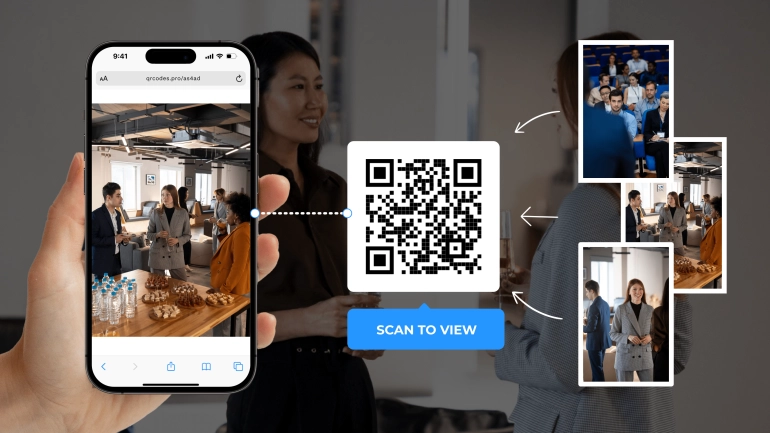
A QR code-based homework submission system solves this problem in a simple way. Instead of giving multiple instructions, teachers create one QR code linked to a submission page, such as a Google Form or online folder. Students scan the code and submit their work instantly.
This system is easy to use and reduces confusion. It also keeps all submissions in one place, making it easier for teachers to review and manage them.
Use Case: Homework Submission Using QR Code
Situation: A teacher needs to collect homework from students online.
Problem: Students often do not know where to upload their work. They send it in different places, which makes it difficult to track submissions.
Solution using QR Code: The teacher creates a QR code linked to a Google Form or submission page. Students scan the code and upload their work directly.
Result/Impact: All submissions are collected in one place. Students submit work quickly and correctly. The process becomes organized and efficient.
For example, a teacher can display the QR code on the board at the end of the lesson. Students scan it before leaving and submit their homework. The same code can also be printed in notebooks or shared online for easy access at home.
How It Helps: Students Scan and Submit Instantly
One of the biggest advantages of this system is speed. Students do not need to search for links or ask for instructions. They scan the code and submit their work in seconds. This saves time and reduces stress for both students and teachers.
It also encourages timely submissions. When the process is simple, students are more likely to complete it. There are fewer excuses and fewer mistakes.
How It Helps: No Confusion About Where to Upload
Confusion about submission locations is a common problem. Some students upload work to the wrong platform, while others send it through messages or email. This makes it difficult for teachers to track everything.
With a QR code system, there is only one submission point. Students always know where to go. This removes confusion and makes the process clear.
How It Helps: Keeps Submissions Organized
Organization is one of the biggest benefits for teachers. All homework is collected in one place, which makes it easy to review, grade, and track. Teachers do not need to search through multiple platforms or messages.
This also helps in record-keeping. Teachers can easily check who has submitted work and who has not. This makes follow-ups easier and improves overall classroom management.
Final Thoughts
Interactive learning stations and QR code-based homework submission systems are simple but powerful tools for modern classrooms. They solve real problems, save time, and improve both teaching and learning experiences.
By using a QR Code Generator, teachers can create more engaging lessons and more organized systems. Students benefit from clear instructions, faster access, and easier submissions. The classroom becomes more efficient, more interactive, and more enjoyable for everyone.
Sometimes, small changes create the biggest impact. QR codes are one of those small changes that can make a big difference in everyday teaching.
 This article is about
QR Code Generator for Classroom Links
Open the tool
This article is about
QR Code Generator for Classroom Links
Open the tool