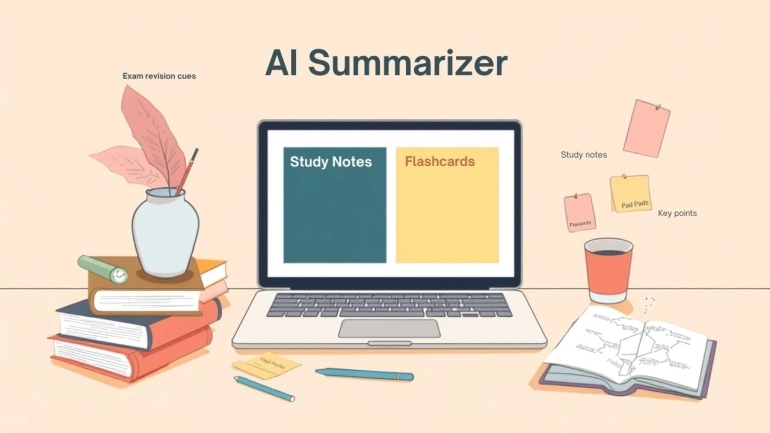
حوّل النصوص الطويلة إلى ملاحظات أوضح وبطاقات تعليمية ونقاط مختصرة وخطط مراجعة.
حين تصبح القراءة الطويلة عائقًا أمام المذاكرة
يفتح الطالب مقالًا طويلًا أو فصلًا من كتاب مدرسي أو نشرة محاضرة أو مقطعًا بحثيًا أو ملف واجب، وهو يدرك أن المادة مهمة. المشكلة ليست دائمًا في الدافع، بل غالبًا في الوقت والتركيز والتنظيم. قد تحوي الصفحة أفكارًا مفيدة وأمثلة وتواريخ وتعريفات وحججًا، غير أن النقاط المهمة تختفي داخل فقرات طويلة. وقبل أن يراجع الطالب أو يجيب عن الأسئلة أو يستعد للحصة، لا بد أولًا من فهم هذه القراءة وترتيبها.
هنا تظهر فائدة ملخِّص الذكاء الاصطناعي للطلاب. فهو يساعد على تحويل النص الطويل إلى صيغة أقصر وأقرب إلى المذاكرة. يستطيع الطالب لصق النص أو رفع مستند مدعوم، ثم يختار نمط التلخيص ويحدد المستوى ويحصل على نتيجة أسهل في المراجعة. وبحسب حاجته في تلك اللحظة، يمكن للأداة أن تنتج ملخصًا سريعًا أو ملاحظات دراسية أو نقاطًا رئيسية أو بطاقات تعليمية أو مخططًا لخريطة ذهنية.
أفضل استخدام لهذه الأداة ليس أن تحل محل القراءة، بل أن تجعل القراءة قابلة للاستيعاب. فالملخص يمنح نقطة انطلاق واضحة قبل العودة إلى النص الأصلي، ويساعد على رؤية الفكرة الرئيسية وتمييز المصطلحات المفتاحية وتحديد الأقسام التي تستحق قراءة أدق. وبالنسبة إلى المعلم، يفيد في تحضير الدرس وإعداد أوراق المراجعة ومعاينة النصوص المقررة ودعم الطلاب على مستويات مختلفة. أما الأهل، فيخفف عنهم توتر المساعدة في الواجب حين يعود الابن أو الابنة بنص كثيف يحتاج إلى مراجعة سريعة. وهذا المنهج القائم على الدعم لا الاستبدال ينسجم مع إرشادات اليونسكو بشأن الذكاء الاصطناعي التوليدي في التعليم، التي توصي بإبقاء هذه الأدوات في دور مساند حول قراءة الطالب وتفكيره لا في محلهما.
لماذا يساعد التلخيص على التعلّم
كثيرًا ما يتعثر الطلاب لأنهم يتعاملون مع أجزاء النص كلها على أنها متساوية الأهمية. فالفصل الواحد قد يضم تعريفات وأمثلة وتفاصيل خلفية وملاحظات جانبية وشروحًا مكررة. ومن دون بنية واضحة، ينتهي الأمر بالطالب إلى تظليل الكثير وتذكّر القليل. أما التلخيص فيفرض على المادة شكلًا أوضح، إذ يفصل الرسالة الأساسية عن التفاصيل المساندة ويترك للذهن مجموعة أصغر من الأفكار يبدأ العمل عليها.
ويستطيع الملخِّص دعم هذه العملية عبر إنتاج نسخة منظمة من النص المصدر. فالملخصات السريعة مناسبة للمعاينة، والملاحظات الدراسية تفيد في الاستعداد للامتحان، والنقاط الرئيسية تسهّل المراجعة السريعة، والبطاقات التعليمية تدعم الاسترجاع النشط، ومخططات الخريطة الذهنية تُظهر كيف ترتبط الأفكار ببعضها. ولأن كل صيغة تخدم جانبًا مختلفًا من التعلّم، يمكن الإفادة من النص نفسه بأكثر من طريقة.
وهذا مهم لأن وقت المذاكرة نادرًا ما يكون مثاليًا. فقد لا يتبقى أمام الطالب سوى عشرين دقيقة قبل الحصة، وقد يحتاج المعلم إلى طريقة سريعة ليعرف إن كان النص مناسبًا للدرس، وقد يضطر أحد الوالدين إلى مراجعة ورقة عمل بعد يوم طويل. وفي كل حالة من هذه الحالات، يمكن لملخص جيد البناء أن يقلل الارتباك ويجعل الخطوة التالية أوضح.
مواقف حقيقية من الصف ومن المذاكرة
1. الاستعداد لامتحان من فصل طويل
الموقف: أمام الطالب فصل طويل من الكتاب لمراجعته قبل اختبار قصير، ويضم الفصل تعريفات وأسبابًا ونتائج وأمثلة وأسئلة مراجعة.
المشكلة: إعادة قراءة الفصل كاملًا قد تستغرق وقتًا أطول مما يملك، وقد تفوته الأفكار الرئيسية رغم ذلك. والملاحظات المكتوبة على عجل تتحول إلى جمل منقولة بدل أن تكون مادة مراجعة مفيدة.
الحل: يلصق الطالب قسمًا محددًا في ملخِّص الذكاء الاصطناعي للطلاب ويختار «ملاحظات دراسية». تنتج الأداة بنية أقصر تضم النقاط الأساسية والمفاهيم المفتاحية وأسئلة مراجعة محتملة.
النتيجة: يصبح لدى الطالب دليل مذاكرة يراجعه قبل العودة إلى الفصل الأصلي. الملخص لا يحل محل الكتاب المدرسي، لكنه يساعد على معرفة أين ينبغي توجيه الانتباه.
2. تحويل ملاحظات الحصة إلى نقاط
الموقف: دوّن الطالب ملاحظات الحصة، لكنها جاءت مبعثرة وطويلة ويصعب تصفحها بالنظر.
المشكلة: عند المراجعة، قد تكون الملاحظات الطويلة مرهقة بقدر إعادة قراءة الفصل نفسه، إذ تختبئ المصطلحات المهمة داخل جمل كاملة.
الحل: يلصق الطالب ملاحظاته في الملخِّص ويختار «نقاط رئيسية». فتتحول المخرجات إلى قائمة أنظف يمكن مراجعتها قبل الواجب أو قبل نقاش صفي أو قبل اختبار قصير.
النتيجة: يتصفح الطالب الحصة أسرع ويضيف الأمثلة الناقصة بخط يده. تصبح الملاحظات أنفع من دون أن تلغي حاجته إلى فهم الموضوع.
3. إعداد بطاقات للاسترجاع النشط
الموقف: يحتاج الطالب إلى حفظ مفردات أو تواريخ أو تعريفات أو قوانين أو حقائق أساسية من نص ما.
المشكلة: إعادة قراءة الملاحظات تبدو عملًا منتجًا، لكنها لا تختبر الذاكرة دائمًا. فقد يتعرف الطالب على المصطلح أثناء القراءة ثم يعجز عن شرحه من دون النظر إليه.
الحل: يختار الطالب صيغة «بطاقات تعليمية». يحوّل الملخِّص النص إلى أزواج من سؤال وجواب مستندة إلى المادة المصدر.
النتيجة: يستطيع الطالب تغطية الإجابات واختبار ما يتذكره، فتتحول القراءة السلبية إلى تدريب نشط، وهو غالبًا أنفع للتعلّم بعيد المدى.
4. مساعدة المعلم على معاينة المادة المقررة للقراءة
الموقف: يريد المعلم تكليف الطلاب بمقال أو نشرة أو جزء من فصل، لكنه يحتاج إلى التأكد من مناسبة النص للدرس.
المشكلة: قد يبدو النص مفيدًا في البداية، ثم يتبين أنه أطول من اللازم أو أعلى من مستوى الصف أو مشتت أكثر مما تحتمل الحصة.
الحل: يستخدم المعلم صيغة «ملخص سريع» لمعاينة الفكرة الرئيسية والنقاط المساندة. وإذا أظهر الملخص أن النص واسع أكثر من اللازم، يمكنه اختيار قسم أقصر أو إعداد أسئلة موجِّهة.
النتيجة: يصبح التخطيط لواجب القراءة أسهل. يحصل الطلاب على مادة أقرب إلى هدف الدرس، ويوفر المعلم وقتًا في التحضير.
5. دعم الطلاب الذين يحتاجون لغة أبسط
الموقف: بعض الطلاب يفهمون الموضوع أفضل حين تكون الصياغة أبسط، وخاصة الأصغر سنًا أو من يتعلمون اللغة أو من يقرؤون خارج مادتهم الأقوى.
المشكلة: قد يوقف مقال صعب عملية التعلّم قبل الوصول إلى الفكرة الرئيسية، وقد ينسحب بعض الطلاب لأن الصياغة تبدو كثيفة.
الحل: يمكن لمستوى «مدرسة» أن ينتج ملخصًا أبسط مع الحفاظ على الحقائق الأساسية الواردة في المصدر. يقرأ الطالب الملخص أولًا ثم يعود إلى المقطع الأصلي بثقة أكبر.
النتيجة: يصبح النص الأصلي أقل ترهيبًا. يعمل الملخص كجسر يساعد الطالب على الاقتراب من القراءة الكاملة بدل تجنبها.
كيف يتكامل ذلك مع خطة مذاكرة أفضل
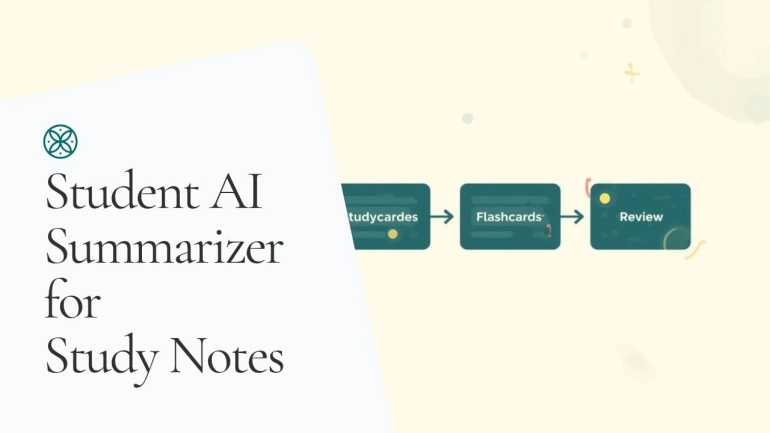
ابدأ بمصدر واحد محدد. استخدم مقالًا واحدًا أو قسمًا واحدًا من فصل أو ورقة عمل واحدة أو مجموعة ملاحظات واحدة في كل مرة. فالمدخل المحدد ينتج عادةً ملخصًا أوضح.
- اختر الصيغة المناسبة. استخدم «ملخص سريع» للمعاينة، و«ملاحظات دراسية» للمراجعة، و«نقاط رئيسية» للتصفح السريع، و«بطاقات تعليمية» لتدريب الذاكرة، و«خريطة ذهنية» لرؤية الروابط.
- اقرأ الملخص بتمعّن. تحقق من وجود الفكرة الرئيسية والمصطلحات المفتاحية والأمثلة المهمة.
- قارنه بالنص الأصلي. عد إلى المصدر للتأكد من الحقائق والتفاصيل والصياغة قبل استخدام الملخص في واجب أو اختبار.
- أضف ملاحظاتك الخاصة. ينبغي أن يضيف الطالب أمثلة الحصة وتعليقات المعلم وأرقام الصفحات والرسوم والشروح الإضافية.
- استعن بأداة أخرى عند الحاجة. إذا كان المصدر صفحة ممسوحة ضوئيًا، فابدأ بـمحوّل الصورة إلى نص. وإذا كنت تخطط لجلسة قراءة، فقدّر وقتها بـحاسبة وقت القراءة.
- راجع مراجعة نشطة. حوّل الملاحظات إلى أسئلة، أو اشرح الأفكار بصوت مسموع، أو اختبر ذاكرتك بالبطاقات.
مشكلات شائعة تعالجها الأداة
- الطالب لا يعرف أي أجزاء النص الطويل هي الأهم.
- ملاحظات الحصة مبعثرة أكثر من أن تُراجع بسرعة.
- مراجعة الامتحان تحتاج إلى بنية قبل أن يبدأ الحفظ.
- المعلم يحتاج إلى معاينة سريعة للمادة المقررة للقراءة.
- الأهل يحتاجون إلى طريقة أبسط للمساعدة في مراجعة الواجب.
- مجموعات المذاكرة تحتاج إلى نقطة انطلاق مشتركة للنقاش.
- الطالب يحتاج إلى بطاقات من دون إعادة كتابة كل جملة يدويًا.
- المستندات الطويلة يجب أن تتحول إلى ملاحظات أقصر قبل الحصة.
- مادة القراءة يجب أن تناسب المستوى المدرسي أو الجامعي أو المهني.
كيف تختار أنسب صيغة تلخيص
| الصيغة | الأنسب لـ | كيف يستفيد منها الطالب |
|---|---|---|
| ملخص سريع | المعاينة السريعة | التحقق من الفكرة الرئيسية قبل قراءة النص كاملًا. |
| ملاحظات دراسية | الاستعداد للامتحان | مراجعة الأفكار الأساسية والمصطلحات والأسئلة المحتملة. |
| نقاط رئيسية | تصفح المعلومات | تحويل الملاحظات الطويلة إلى قائمة أفكار أنظف. |
| بطاقات تعليمية | تدريب الذاكرة | استخدام الأسئلة والأجوبة في الاسترجاع النشط. |
| خريطة ذهنية | التنظيم البصري | رؤية الموضوع الرئيسي والتفرعات والنقاط المساندة. |
الجودة والدقة والاستخدام المسؤول
الملخص وسيلة مساعدة على المذاكرة، لا مرجعًا نهائيًا. وينبغي للطالب أن يقارن النقاط المهمة دائمًا بالمصدر الأصلي، وخاصة قبل الإجابة عن أسئلة الامتحان أو تسليم الواجبات أو الاقتباس من المعلومات. وإذا بدا الملخص أقصر من اللازم، فقد يحتاج المصدر إلى تقسيمه إلى أقسام أصغر أو تلخيصه بإعداد أكثر تفصيلًا.
تبلغ الأداة أقصى فائدتها حين يستخدمها الطالب ضمن روتين تعلّم متكامل: يبدأ بإنتاج الملخص، ثم يتحقق من المصدر، ثم يضيف ملاحظاته وأمثلته وتوجيهات معلمه، وأخيرًا يختبر فهمه بالبطاقات أو الأسئلة أو بشرح قصير يكتبه من ذاكرته. هذا الترتيب يُبقي الطالب مشاركًا في عملية التعلّم بدل أن يعتمد على نتيجة مولَّدة وحدها.
ويستطيع المعلم كذلك استخدام المخرجات مدخلًا للنقاش. فيمكن للصف أن يقارن الملخص بالنص الأصلي ويتساءل عما أُدرج وما أُغفل ولماذا تهم تفاصيل بعينها. وهذا يعلّم الطلاب مهارة أكاديمية مهمة: الملخصات اختيارات بشأن الأهمية، لا مجرد نسخ أقصر من النص.
الخصوصية وسلامة الطلاب
ينبغي للطلاب تجنّب لصق المعلومات الخاصة في أي أداة دراسية. فالأسماء المقترنة بالدرجات والسجلات المدرسية والتفاصيل الصحية والقصص الشخصية وبيانات التواصل وبيانات الدخول ومعلومات الصف الخاصة يجب حذفها قبل التلخيص. والمدخل الأكثر أمانًا هو مادة تعليمية اعتيادية مثل نص الكتاب المدرسي أو أقسام من مقال أو ملاحظات متاحة للجميع أو نشرات وافق عليها المعلم.
كما ينبغي فحص الملفات المرفوعة قبل استخدامها، فقد يحتوي المستند على تعليقات أو ملاحظات مخفية أو أسماء طلاب أو صفحات لا علاقة لها بالموضوع. وعلى المعلمين والطلاب حذف كل ما لا لزوم له قبل الرفع. أما المواد المدرسية الحساسة، فاستخدم منها القسم الذي يحتاج إلى تلخيص فقط.
أخطاء يجدر تجنّبها
- تسليم ملخص مولَّد على أنه كتابة الطالب الأصلية في الواجب.
- الوثوق بالملخص من دون التحقق من المصدر الأصلي.
- لصق كتاب كامل أو مستند شديد الطول دفعة واحدة.
- استخدام البطاقات من دون فهم الإجابات.
- تجاهل تعليمات المعلم بشأن أدوات المذاكرة المسموح بها.
- رفع معلومات خاصة بالطلاب عن طريق الخطأ.
- الاكتفاء بملخص قصير لموضوع معقد يحتاج إلى قراءة أعمق.
- نسيان إضافة أمثلة الحصة أو مراجع الصفحات أو ملاحظات المعلم.
أدوات تكمّل بعضها
يعمل ملخِّص الذكاء الاصطناعي للطلاب جيدًا إلى جانب أدوات صفية أخرى. فإذا أراد الطالب تنظيم فترة مذاكرة، تستطيع حاسبة وقت القراءة تقدير المدة التي قد تستغرقها قراءة المقطع الأصلي. وإذا كانت المادة محبوسة داخل لقطة شاشة أو صفحة ممسوحة ضوئيًا، يساعد محوّل الصورة إلى نص على استخراج نص مقروء أولًا. وإذا كانت الملاحظات النهائية بحاجة إلى أن تصبح مستندًا للطباعة أو المشاركة، يحوّل تحويل نص إلى PDF الملاحظات البسيطة إلى ملف PDF بسيط.
وفي مهام الكتابة، يمكن للطالب أن يستعين بالملخص لفهم المصدر قبل صياغة إجابته الخاصة. وفي المراجعة، قد تتحول البطاقات إلى مراجعة يومية سريعة. وفي المذاكرة الجماعية، يمنح مخطط الخريطة الذهنية الجميع البنية نفسها للموضوع قبل بدء النقاش.
خلاصة
تظهر قيمة ملخِّص الذكاء الاصطناعي للطلاب أوضح ما تكون حين ينقل الطالب من الإرهاق إلى الفهم. فالنص الطويل يصبح أسهل في التناول، والأفكار المهمة أوضح للعين، والمراجعة أكثر تنظيمًا. ويفترض بالأداة أن تدعم القراءة وتدوين الملاحظات وتدريب الذاكرة والنقاش، لا أن تحل محل التفكير المتأني.
وعند حسن استخدامها، تمنح الطالب مسارًا عمليًا داخل المادة الصعبة: تلخيص المصدر، ثم التحقق من الحقائق، ثم إضافة ملاحظات شخصية، ثم تدريب الاسترجاع، ثم العودة إلى النص الأصلي حين تلزم تفاصيل أكثر. وهذا المسار يبني عادات مذاكرة أمتن ويجعل القراءة الطويلة أيسر على الاحتمال.
 هذه المادة حول
ملخّص الذكاء الاصطناعي للطلاب
افتح الأداة
هذه المادة حول
ملخّص الذكاء الاصطناعي للطلاب
افتح الأداة